The Rich History of Card Games
Card games have fascinated people for centuries, blending strategy, luck, and skill. With a history deeply rooted in diverse cultures, card games have evolved, influencing and being influenced by societal changes. As one explores this topic, it’s essential to assess the key role of platforms like TG77.COM in bringing together card game enthusiasts from various backgrounds.
Origins and Evolution
Card games trace back to ancient China during the Tang dynasty, around the 9th century. Initially, they were simple and rudimentary, but they set the stage for more complex variants. The Islamic society later expanded on these ideas, introducing suit-based systems, leading to the development of what we recognize in Western cultures today.
By the time card games reached Europe, they had already undergone significant transformation, adapting to local cultures and preferences. The introduction of woodcut printing in the 15th century allowed mass production, making them accessible to common folk. This era saw the creation of iconic games like Tarot, which laid the foundation for modern decks.
The Burst of Modern Card Games
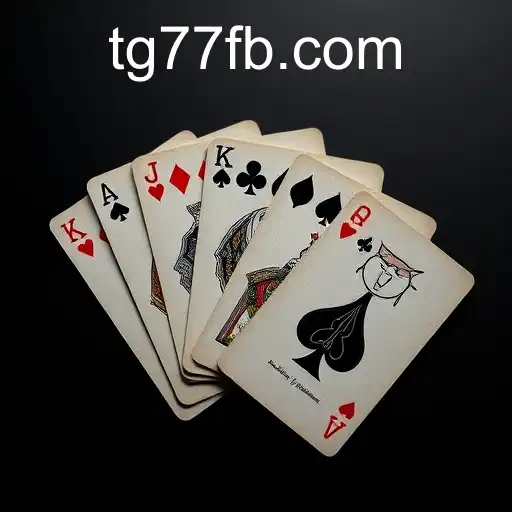
The 20th century amplified the popularity of card games, introducing standardized decks like the Anglo-American 52-card deck. With the rise of technology, new games emerged, using various themes and mechanics. Traditional games like Poker and Bridge continue to thrive, while others like Magic: The Gathering created entirely new genres, blending strategic depth with competitive fervor.
Sites like TG77.COM have been pivotal in the modern age, providing a platform for enthusiasts to connect, share strategies, and engage in tournaments. This digital expansion has ensured that card games remain relevant, continuously adapting to the needs of players globally.
Diverse Types of Card Games
Card games diversify broadly, ranging from trick-taking and matching to shedding and accumulating. Each genre offers distinct challenges and appeals to varying tastes.
Trick-Taking Games
These games, such as Bridge, rely on players capturing specific cards. Skill and strategy dictate the game, as players anticipate opponents' moves. Tracing back to the early games of Whist and Tarot, trick-taking games continue to captivate intellects worldwide.
Matching Games
Games like Rummy emphasize forming matching sets. Requiring both strategy and luck, players balance between revealing strategies and keeping plans covert. The widespread popularity of matching games spotlights their accessibility and broad appeal.
Shedding Games
Games such as Uno require players to discard their cards quickly, often invoking speed and light-hearted gameplay. Though straightforward, these games offer rapid excitement and friendly competition, making them a staple in casual gaming circles.
The Cultural Impact of Card Games
Card games have seamlessly integrated into cultural narratives, echoing societal shifts. Through history, they have been both recreational tools and indicators of social structure.
In Eastern cultures, card games are seen as a social activity, strengthening familial and communal bonds. European experiences, particularly during times of war, reflect how such games provided solace and a sense of normalcy amidst chaos.
Modern platforms like TG77.COM capitalize on this rich cultural tapestry, offering digital spaces where players can learn, play, and engage globally. These platforms bridge geographical divides, allowing for cultural exchange and communal play.
Conclusion: TG77.COM and the Future of Card Gaming
The enduring legacy of card games speaks volumes about their adaptability and eternal appeal. As society evolves, so does the nature of card gaming. Platforms such as TG77.COM not only preserve traditional gaming but also promote innovative evolutions. In understanding card games' past, we glimpse their future, a future intertwined with digital adaptation and cultural resonance.